
Case studies
Putting agricultural innovation to work: Two farmers on building more resilient food systems with innovation in Asia
Scroll down ↓Across Republic of China (Taiwan) and the Philippines, agricultural innovators are connecting scientific research, new technologies, and practical knowledge to address some of the challenges facing food production.
Agriculture in Asia spans an enormous range of climates, landscapes, crops, and production systems. Farmers are also contending with increasingly complex pressures, from extreme weather and plant diseases to invasive pests and constraints on land and labor.
Meeting these challenges requires more than a single solution. It requires the ability to turn scientific advances into practical tools, adapt them to local conditions, and share what works. In partnership with the Global Farmer Network®, we spoke to two agricultural innovators in Republic of China (Taiwan) and the Philippines about how they are putting science and technology into practice.
Jia-Cih (Tiana) Yang
On connecting agricultural science with practical farming
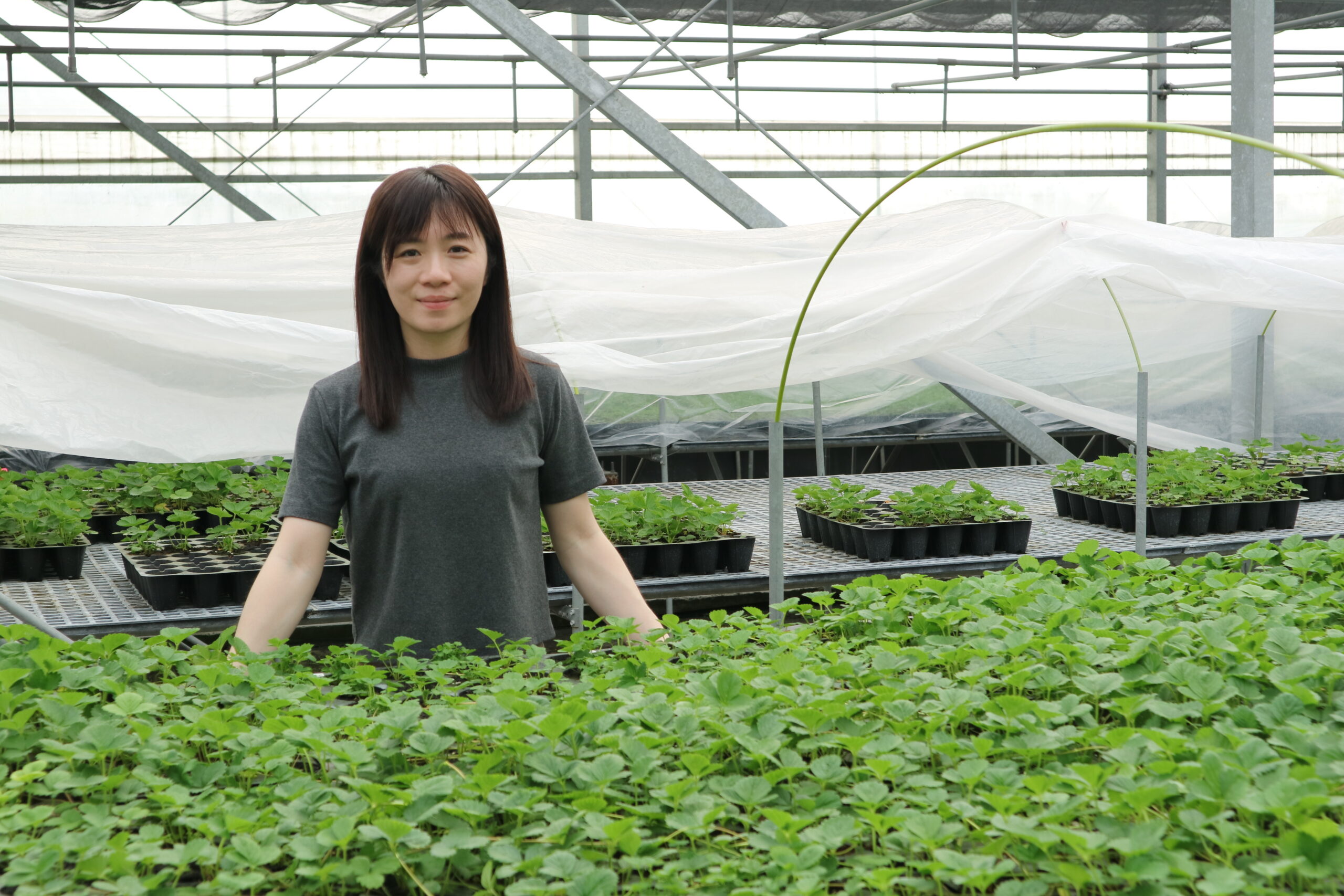
Jia-Cih (Tiana) Yang studied biotechnology and plant pathology before co-founding a plant tissue culture nursery with a college classmate in 2012. Today, their facility includes a laboratory, trial field plots, a sterile seedling production area, and greenhouse cultivation zones. The goal is to use scientific methods and smart technologies to address agricultural challenges, particularly those linked to climate change and plant diseases.
For Tiana, one of the most significant advances has been combining plant tissue culture technology, disease-resistant variety selection, and modern nursery management. Republic of China (Taiwan)’s subtropical climate presents farmers with a range of challenges, from typhoons, flooding, and drought to complex pest and disease pressures. Among the most serious is Fusarium wilt, a soil-borne fungal disease that affects economically important crops, including bananas and strawberries.
For Tiana, healthy crops start with healthy planting materials.
Her nursery uses tissue culture techniques to produce healthy, disease-free planting materials in sterile environments. Starting with clean seedlings can help reduce disease pressure and improve crop performance. The team also works with universities and research institutions to identify and select varieties with improved disease resistance. This includes work with Fusarium wilt-resistant banana lines, as well as ongoing evaluation of strawberry varieties with improved disease tolerance.
Grafting is another tool in the toolbox. For cucurbit crops, Tiana uses grafting techniques to enhance disease resistance. At the same time, her team is increasingly exploring digital technologies, Internet of Things (IoT) systems, and artificial intelligence to improve nursery management, environmental monitoring, and production planning.
“I believe agriculture and science should work hand in hand,”
Tiana says.
For Tiana, innovation is not simply about producing more food. It is about helping farmers continue producing responsibly under increasingly difficult conditions. Republic of China (Taiwan) has limited farmland, high land and labor costs, frequent extreme weather events, and complex pest and disease challenges. Technologies such as plant breeding, tissue culture, precision agriculture, digital monitoring systems, and artificial intelligence can help farmers use resources more efficiently, reduce production risks, and strengthen food security.
As a young agricultural innovator, Tiana hopes to continue building connections between agricultural science and practical farming, while creating opportunities for international collaboration and knowledge exchange.
AD Alvarez
Using science to transform corn production
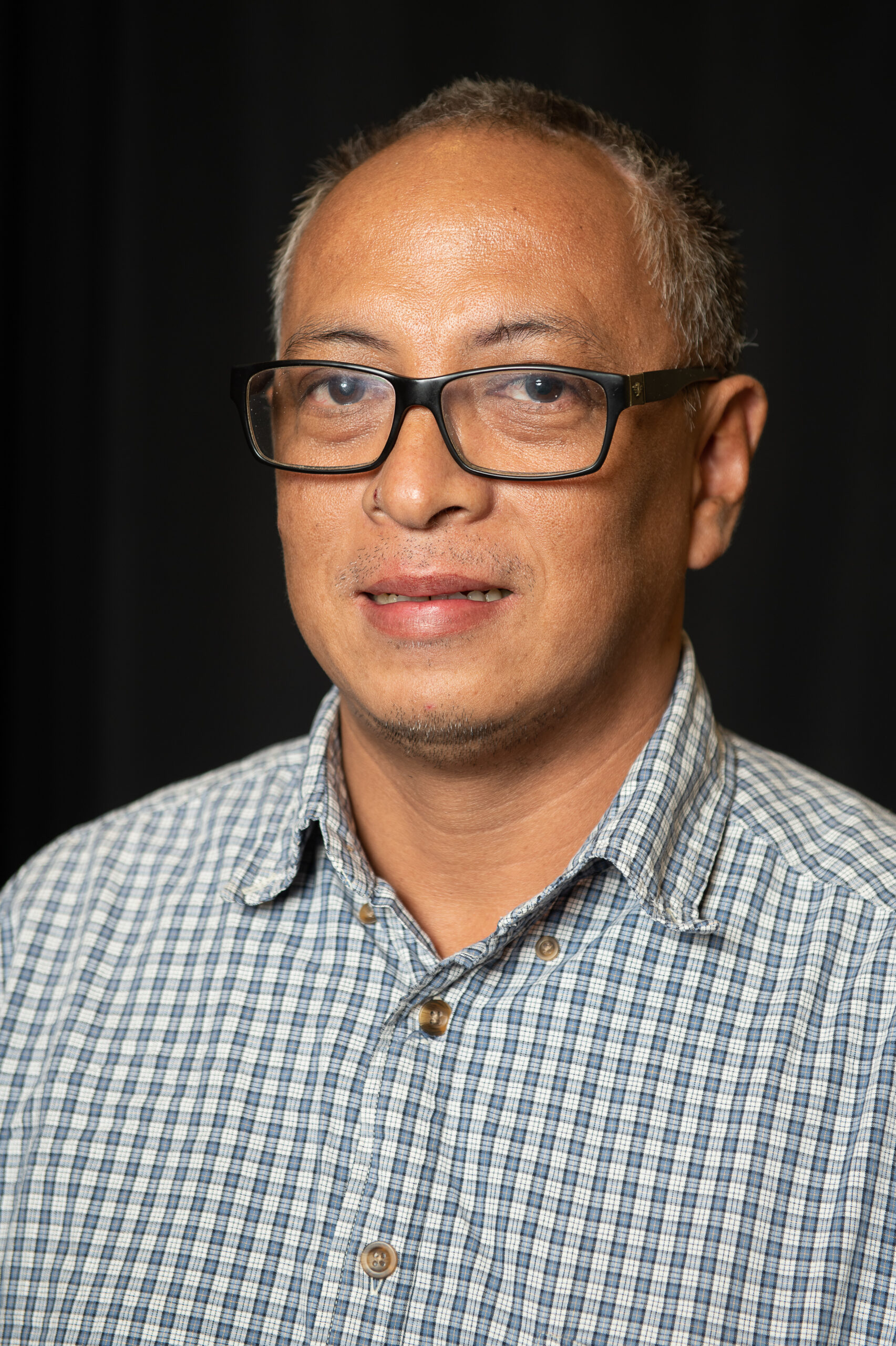
AD Alvarez is a farmer, agricultural extension worker, science advocate, and consultant in the Philippines, as well as a member of the Global Farmer Network.
Sixteen years ago, he shifted from a career in theology, microfinance, and nonprofit development to farming, driven by a desire to help his community address poverty. His work has focused primarily on the yellow corn value chain in the Philippines, including seed production, post-harvest systems, and market integration. In the Camotes Islands, he established a “Mission Farm” as a demonstration and learning site where farmers could see how modern technologies and farming practices work in practice.
The results were significant. When AD arrived in the Camotes Islands in 2010, he says the local average corn yield was between 600 and 900 kilograms per hectare. By demonstrating a modern agricultural system, his operation achieved a yield of 8,400 kilograms per hectare. The model was subsequently adapted by farmers across his island and province.
For AD, showing farmers what technology can do is an important part of making innovation accessible.
One of the biggest challenges facing his operation has been fall armyworm, which has threatened corn production in the Philippines since 2019.
AD combines crops bred with insect-resistant traits with targeted crop protection strategies to manage the pest. For him, the combination has helped protect yields from losses while allowing inputs to be used more precisely.
He sees these tools as part of a broader approach to sustainable production. Producing more on existing land, reducing the need for broad-spectrum applications, and protecting biodiversity can all contribute to more resilient farming systems.
“True, sustainable food security must be anchored in science-based agronomy and innovation,”
AD says.
For AD, access is just as important as innovation itself. Farmers need access to modern agricultural tools, including biotechnology and biofortified crops, as well as the knowledge to use them effectively. His Mission Farm is designed to help make that knowledge practical. Through demonstration projects, including work on fall armyworm management and model corn farms across the Camotes Islands and Bacolod, AD aims to show farmers how modern agronomy can be adapted to local conditions.
He now hopes to replicate the Camotes Island model in other parts of the Philippines, including Negros Occidental, Bohol, and Cebu, while building partnerships with technology providers.
Two approaches.
One shared need.
Tiana and AD work in very different agricultural systems. One focuses on plant propagation, disease resistance, and smart nursery technologies. The other works directly with corn farmers to demonstrate how biotechnology, crop protection, and modern agronomy can improve production.
Yet, their experiences point to the same underlying principle: agricultural innovation is most valuable when farmers can access and apply it to the challenges they actually face.
For Tiana, that means starting with healthier planting materials and using science to help crops withstand disease and climate-related stress. For AD, it means combining insect-resistant crops with targeted crop protection and sharing practical knowledge with other farmers.
Their stories also demonstrate that innovation is not limited to a single technology. It can include plant breeding, tissue culture, biotechnology, crop protection, digital monitoring, artificial intelligence, and the knowledge needed to put these tools to work.
As agricultural challenges become more complex, farmers need the ability to select, combine, and adapt the tools that suit their crops, climate, and production systems.
Because food security depends not only on producing food today, but on giving farmers the tools and knowledge they need to keep producing in the future.