
Case studies
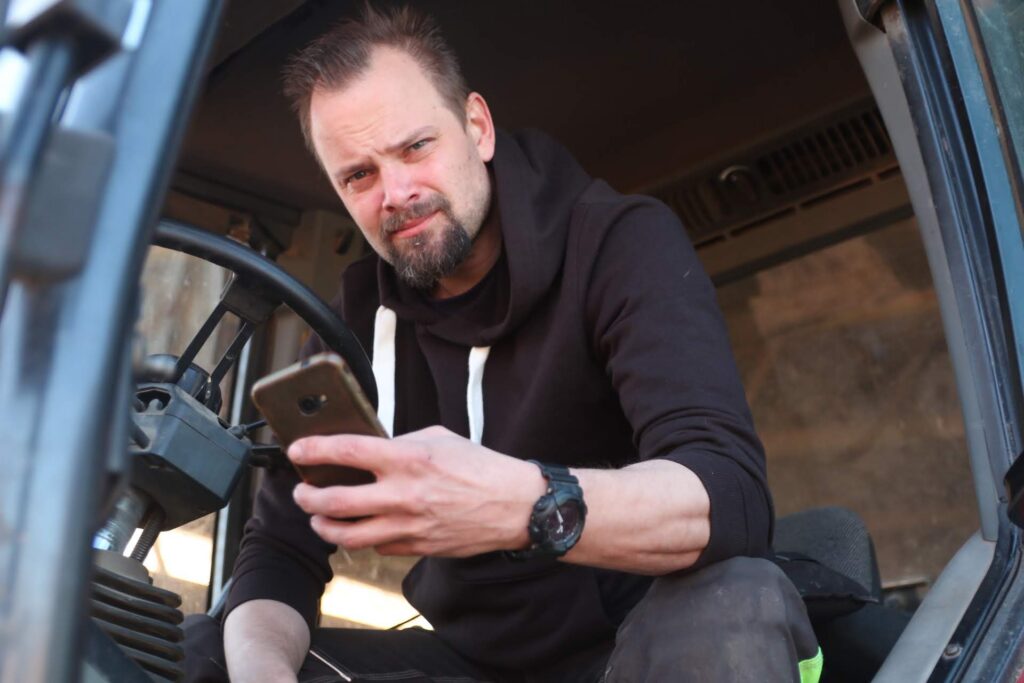
Innovation in the details: How European farmers are adapting production for a food-secure future
Scroll down ↓From Denmark to Germany and Sweden, farmers are combining technology, research, and practical experience to make their farms more efficient, resilient, and prepared for changing conditions.
Soils, weather patterns, pests, diseases, labor availability, and environmental pressures all shape the decisions made on farms. For farmers, responding to these challenges rarely comes down to one breakthrough technology. More often, progress comes from improving how different parts of the production system work together.
In partnership with the Global Farmer Network®, we spoke with three European farmers about the innovations, practices, and knowledge helping them manage the realities of farming today.
Knud Bay-Smidt
Making production simpler and more precise
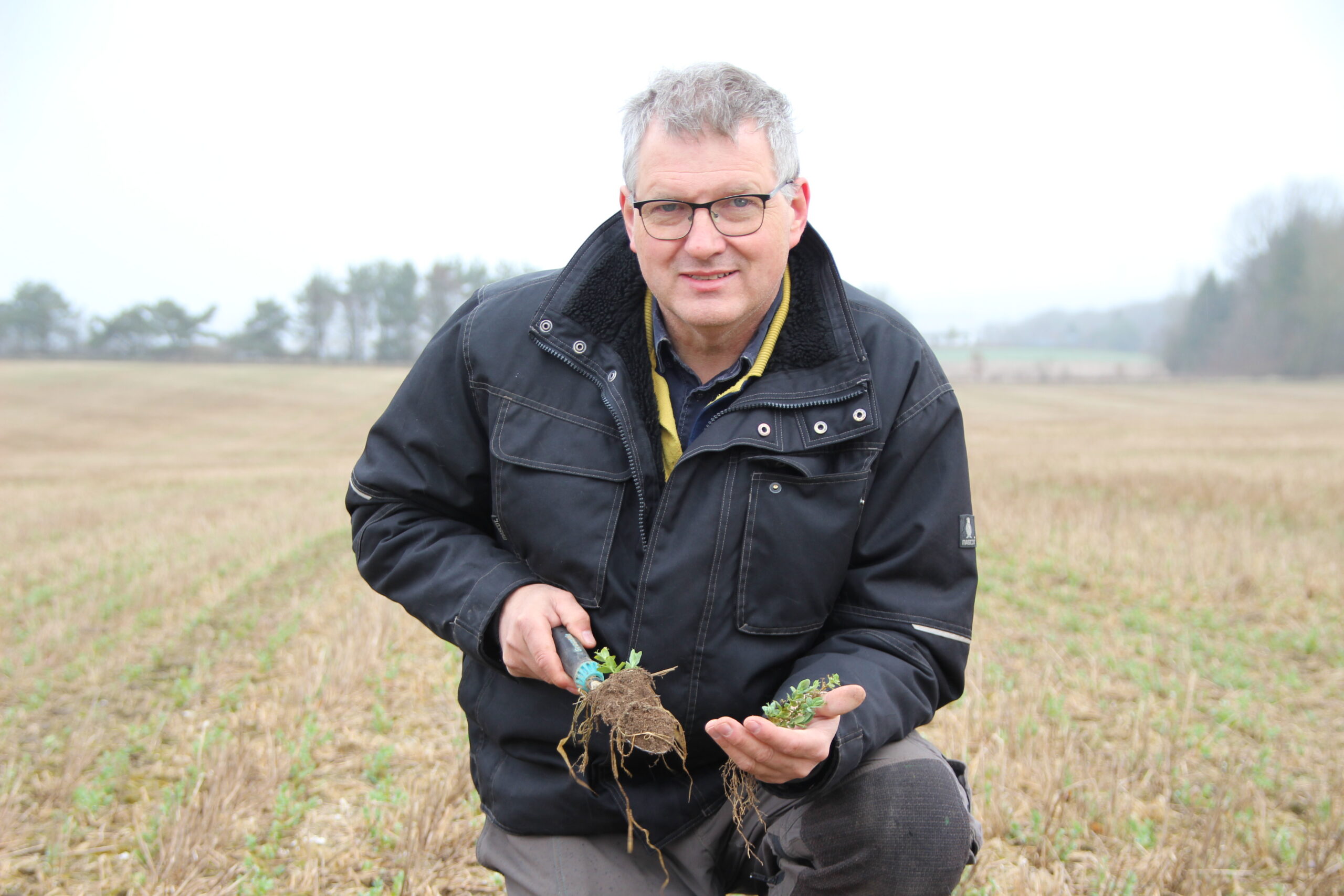
Knud Bay-Smidt farms 240 hectares of arable land on mainland Denmark, growing grain, seed, and legume crops. His family's agricultural roots stretch back to 1641, while the farm itself has expanded over almost 40 years through the acquisition of neighboring properties.
Alongside farming, Knud is affiliated with an agricultural research institution, where he studies crop yields as well as the environmental and climate impacts of agriculture. This combination of farming and research has shaped his view of innovation. For Knud, some of the most meaningful advances have been surprisingly simple. Instead of relying on dramatic technological breakthroughs, he has focused on reducing the number of steps involved in soil cultivation and crop establishment.
Many of the passes once required with plows, harrows, rollers, and seed drills have been replaced by shallow cultivation of crop stubble followed by no-till planting. That change has reduced working hours, labor and fuel costs, and machinery wear, while making the production process more efficient. Modern equipment has also enabled Knud to use field data to target inputs more precisely. The result, he says, is a production system that is both more efficient and more reliable, while reducing its environmental footprint.
Crop protection is another part of that equation.
For farmers using conservation tillage or no-till planting, Knud considers herbicides such as glyphosate an important tool for managing weeds without returning to more intensive soil cultivation. He argues that losing access to such tools could create trade-offs elsewhere, including increased soil disturbance, fuel use, and erosion.
Disease management presents a similar challenge. Wheat rust has historically caused significant crop losses, and new strains continue to emerge. While resistant varieties can provide protection, Knud points to fungicides as another safeguard when disease pressure is high.
“The greatest advances have come from simplifying soil cultivation and crop establishment”
Knud says.
For Knud, innovation is not always about adding more technology. Sometimes, it is about finding a better way to make the whole system work.
Jana Gäbert
Building resilience before the next drought
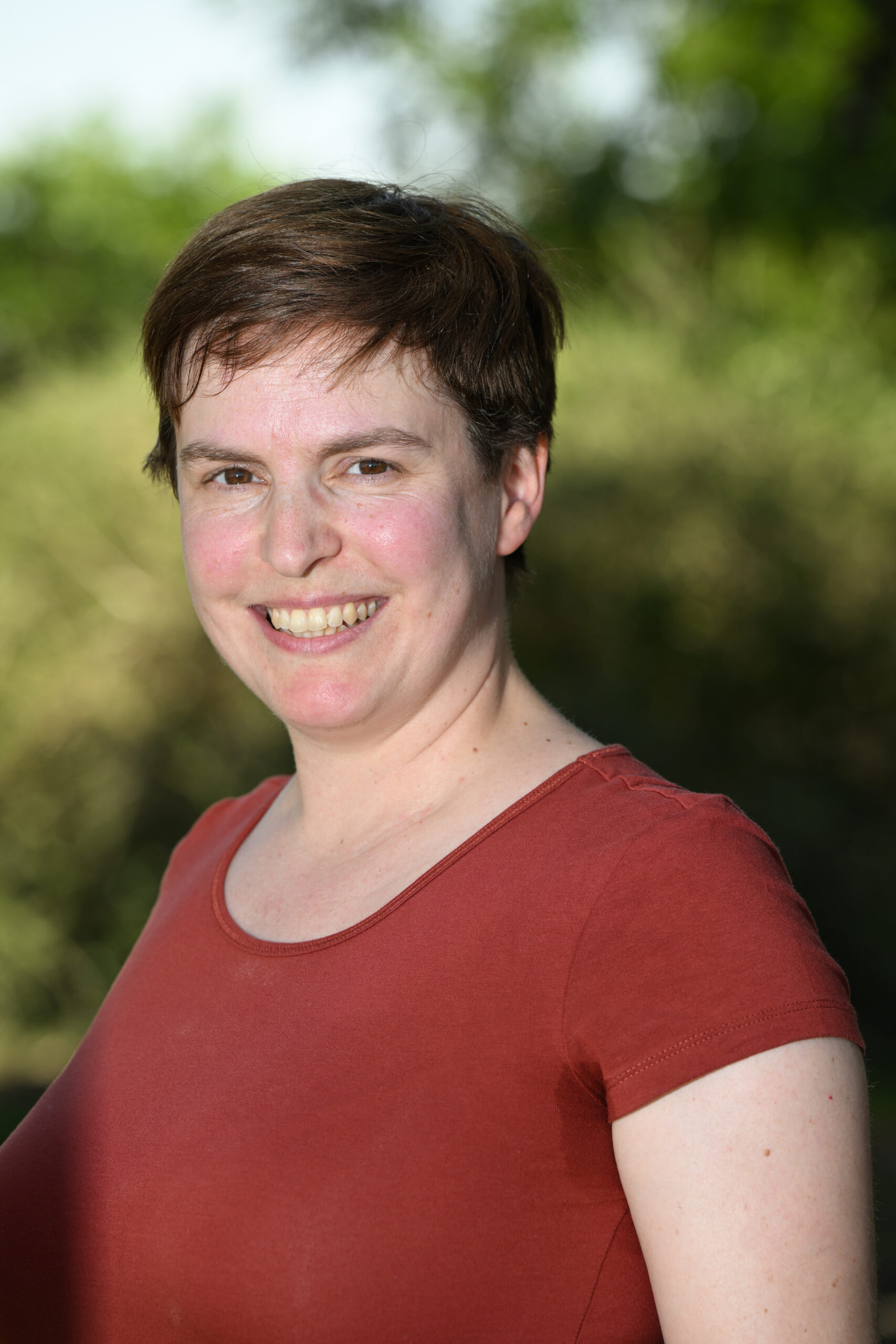
Jana Gäbert is one of three managing directors of an agricultural cooperative in Brandenburg, eastern Germany. The cooperative farms around 4,000 hectares, including approximately 1,100 hectares of permanent grassland, and manages nearly 900 dairy cows alongside a beef enterprise. Its crop rotation includes silage maize, alfalfa, wheat, triticale, barley, rye, sunflowers, oilseed flax, chickpeas, and buckwheat, as well as a range of forage crops.
Jana’s production environment makes adaptation particularly important. Brandenburg is one of Germany's driest regions, and the cooperative farms on light, sandy soils with limited water-holding capacity. Increasingly frequent spring droughts have therefore become a practical consideration in day-to-day farm management. Rather than relying on a single intervention, Jana has built resilience through a combination of measures.
Crop rotation, improved crop genetics, precision agriculture, soil analysis, digital decision-making, and responsible crop protection all contribute to the way the farm manages its resources. The cooperative has also introduced drought-tolerant crops such as chickpeas and diversified its production system to help manage both climatic and economic risks.
For Jana, innovation extends beyond the field. The cooperative establishes flowering areas, skylark plots, nesting habitats, and other biodiversity measures. It also works with researchers to monitor insects and other indicator species, using data to understand which environmental measures are delivering measurable results.
Looking ahead, Jana sees potential in new breeding technologies, including gene editing, to develop crops with improved resilience to drought, pests, and diseases.
For her, innovation is about giving farmers more effective ways to respond to changing conditions while maintaining productive and environmentally responsible farming systems. She also believes farmers have a role in explaining those choices. Inviting people onto the farm, sharing how decisions are made, and being open about the trade-offs involved can help make agricultural production easier to understand.
“Innovation is not about replacing good farming,” Jana stresses, “it is about giving farmers better tools to meet the challenges ahead.”
Jana Gäbert
Per-Ola Olsson
Seeing the farm as one connected system
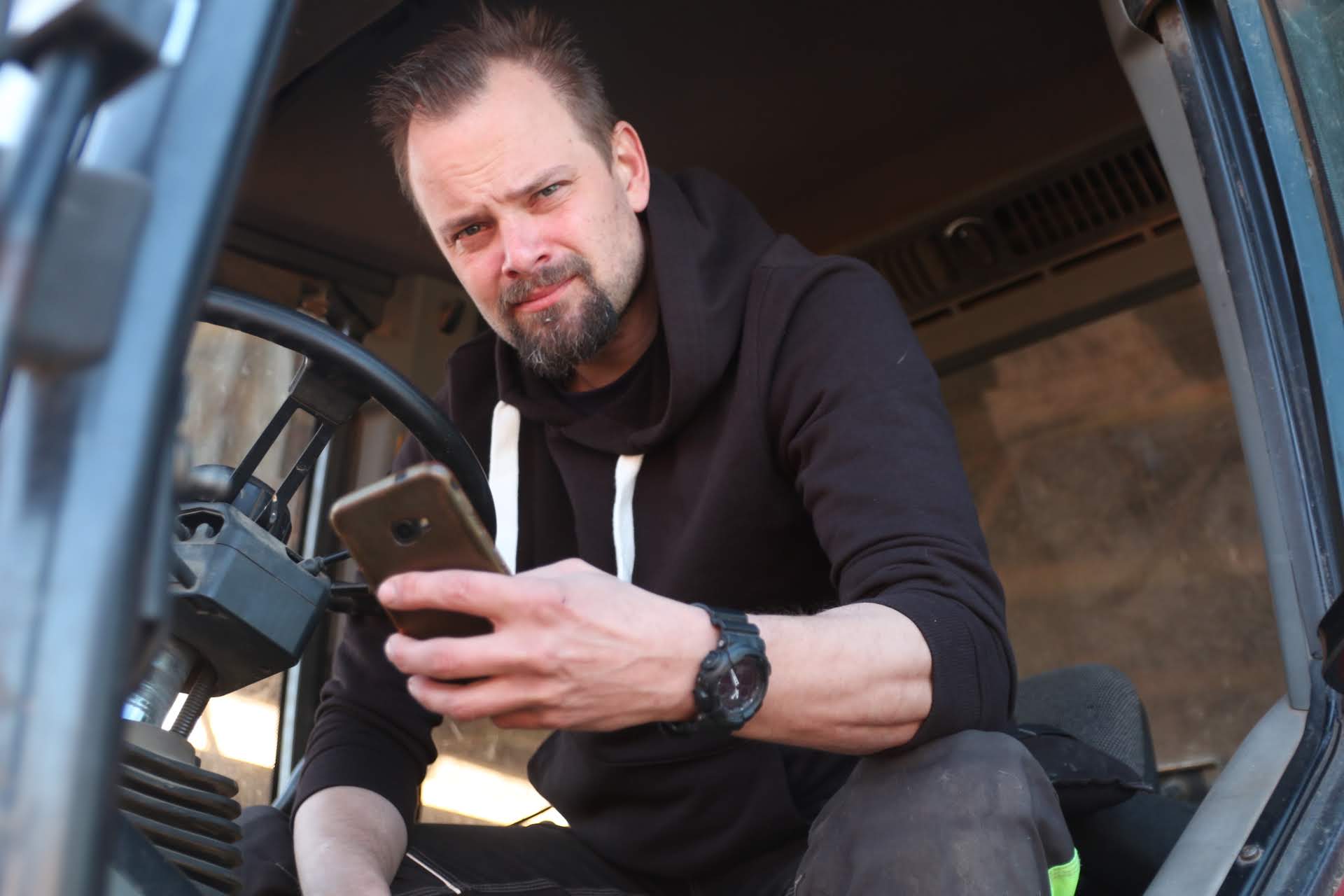
Per-Ola Olsson operates a farm in southern Sweden, which his family purchased in 1981. His experience spans both conventional and organic farming, with crops including grass and forage crops, wheat, barley, sugar beet, maize, and oilseed rape.
His experience has led him to think about agricultural innovation less as a collection of individual technologies and more as a connected production system. Per-Ola uses the analogy of Justus von Liebig's barrel: a system’s performance is limited by the factor in shortest supply. A farm can have good soil, high-quality seed, sufficient nutrients, and skilled management. But if weeds, pests, or disease overwhelm a crop, those other advantages can only take the farm so far. That is why Per-Ola emphasizes the value of having a range of tools available.
Crop rotation, soil cultivation, plant breeding, fertilization, technology, and crop protection each have a role to play. Their value, he argues, comes from how they work together under the conditions of a particular farm. His experience with both organic and conventional agriculture has reinforced this view. Removing one tool does not necessarily remove the underlying problem it was helping farmers manage. If a crop protection product is no longer available, for example, weeds, pests, or diseases remain — and farmers must find another way to address them.
Per-Ola does not argue that agricultural tools should be exempt from scrutiny or regulation. Rather, he believes decisions about agricultural practices should account for what happens across the wider production system when one tool is changed or removed. For him, understanding those knock-on effects is an important part of having a constructive conversation about the future of farming.
“My experience of both organic and conventional farming has made it very clear to me how important it is to have a range of tools available,”
Per-Ola concludes.
Innovation is built over time
Knud, Jana, and Per-Ola approach farming from different perspectives, but their experiences share a common thread: meaningful progress often comes from combining knowledge, technology, and practical experience.
On Knud's farm, simplifying soil cultivation and using field data have helped improve efficiency.
For Jana, adapting to drought means bringing together crop diversification, genetics, precision agriculture, environmental measures, and data.
For Per-Ola, decades of experience across conventional and organic farming have reinforced the importance of seeing crop production as an interconnected system.
Their experiences also highlight something important about agricultural innovation: progress does not always arrive as a single breakthrough. It can come from changing how a crop is established, selecting a more suitable variety, using data to make a more precise decision, or combining established practices in a new way.
For farmers, having access to a broad range of tools and knowledge creates room to respond as conditions change. That matters for food security, too. Producing enough food is a long-term task, and the conditions for doing so will continue to evolve.
Supporting farmers therefore means supporting their ability to keep adapting: with the science, technology, and practical tools that can help them produce food while managing the resources their farms depend on. Across Europe, innovation is already part of that process. The next step is ensuring farmers can continue to put it to work.