
Case studies

Women farmers: Putting agricultural innovation to work around the world
Scroll down ↓From the Brazilian Cerrado to the fields of Zimbabwe and southern Alberta, Canada, women farmers are using science, technology, and innovation to tackle local challenges and strengthen food security.
Agriculture looks different around the world. Farmers work with different soils, climates, crops, and resources. They face different pressures, from unpredictable rainfall and changing pest populations to the need to protect soil, water, and biodiversity while producing more food. There is no single solution to these challenges. But there is a common need: farmers need access to the knowledge, technologies, and tools that allow them to make the best decisions for their farms.
This International Year of the Woman Farmer, we spoke to three women farmers, members of the Global Farmer Network®, (GFN®), about how they are putting agricultural innovation to work in three very different parts of the world. Their stories demonstrate why innovation needs to be accessible globally, and why the solutions that work on one farm can inspire new approaches on another.
Dulce Ciochetta
Making tropical agriculture more productive and sustainable
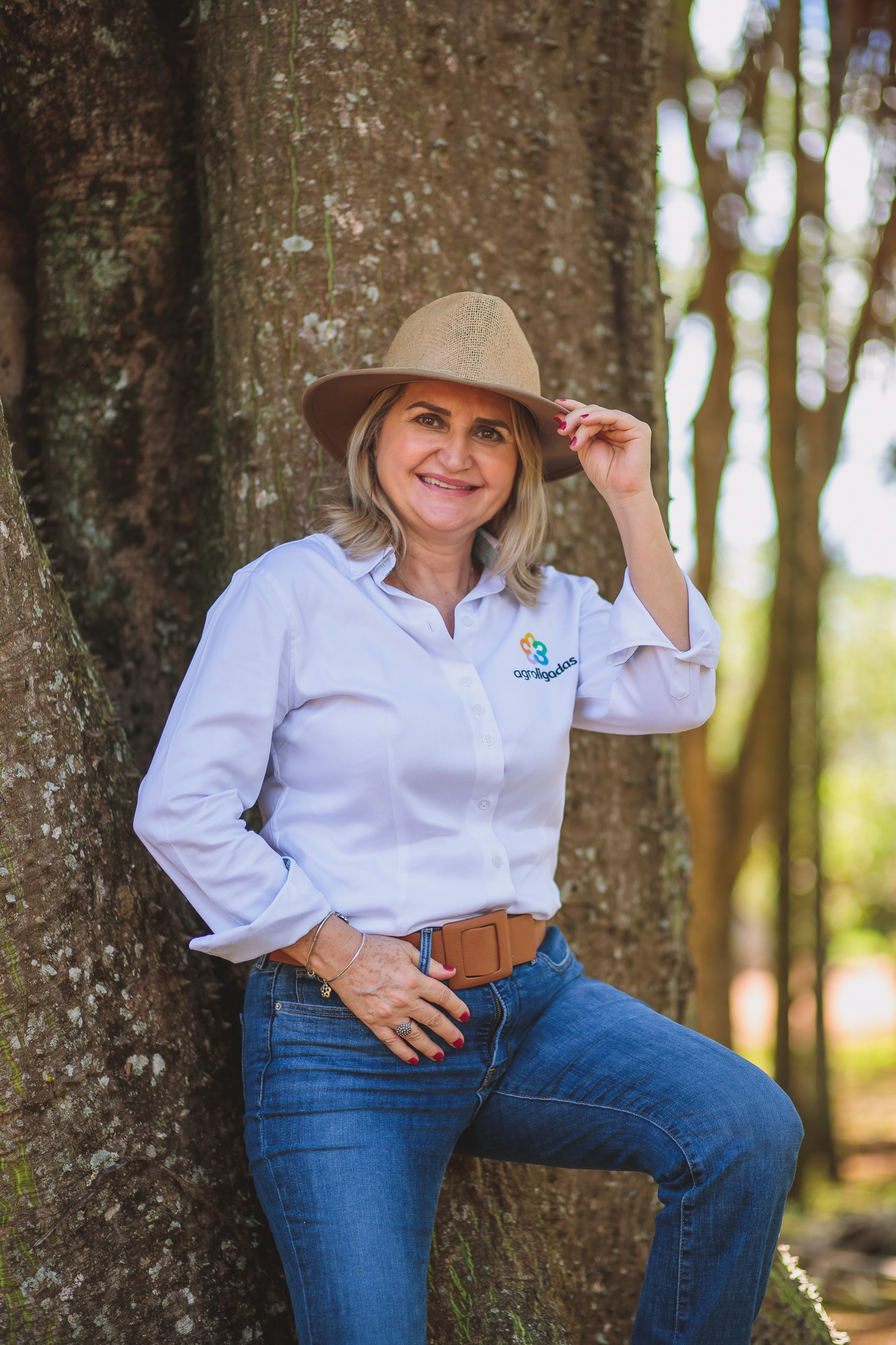
Dulce Ciochetta’s connection to agriculture began with her family. She grew up in southern Brazil in a family of small-scale farmers, where she learned early that farming requires resilience, hard work, and respect for the land. Before dedicating herself fully to agriculture, Dulce spent almost 20 years as a teacher. More than three decades ago, her family moved to Campo Novo do Parecis, in Mato Grosso, believing in the potential of a region only beginning its agricultural transformation.
Today, Dulce helps lead Morena Agro, an approximately 11,500-hectare operation in the heart of Brazil’s Cerrado biome. The farm produces soybeans, corn, and certified soybean seeds, integrates cattle into its production system, and preserves areas of native vegetation. Producing food in the tropics comes with particular challenges. High temperatures, soils requiring active management, and rainfall concentrated within just a few months make every growing season a test of farmers’ ability to adapt.
For Dulce, science and innovation have been central to making agriculture work in these conditions.
Morena Agro uses no-till farming, crop rotation, and Integrated Crop-Livestock-Forest Systems, alongside continuous soil management. Precision agriculture, climate monitoring, soil mapping, and analysis help the farm make more informed decisions. Machinery equipped with auto-steering and other precision technologies improves operational efficiency while supporting more responsible use of inputs and fuel.
The farm also invests in research, biotechnology, and crop protection technologies. Combined with regular field monitoring, these tools help protect crops at the right time, reduce losses, and make better use of natural resources.
For Dulce, technology does not replace farmers’ experience. It enhances their ability to observe, understand, and make better decisions. The transformation of tropical agriculture in Brazil demonstrates what can happen when scientific knowledge, technological advances and farmers’ experience come together. A region once considered to have limited agricultural potential has become one of the world’s major food-producing areas.
At the same time, Dulce sees productivity and conservation as connected goals. The farm preserves native vegetation and focuses on soil, water, and biodiversity because these resources are fundamental to its ability to keep producing.
“Productivity and sustainability do not compete; they go hand in hand,” Dulce says.
For Dulce, the lesson extends beyond her own farm. Farmers, researchers, policymakers, and consumers need to work together to develop solutions that reflect the realities of agriculture.
Ruramiso Mashumba
Using innovation to adapt, save and produce more
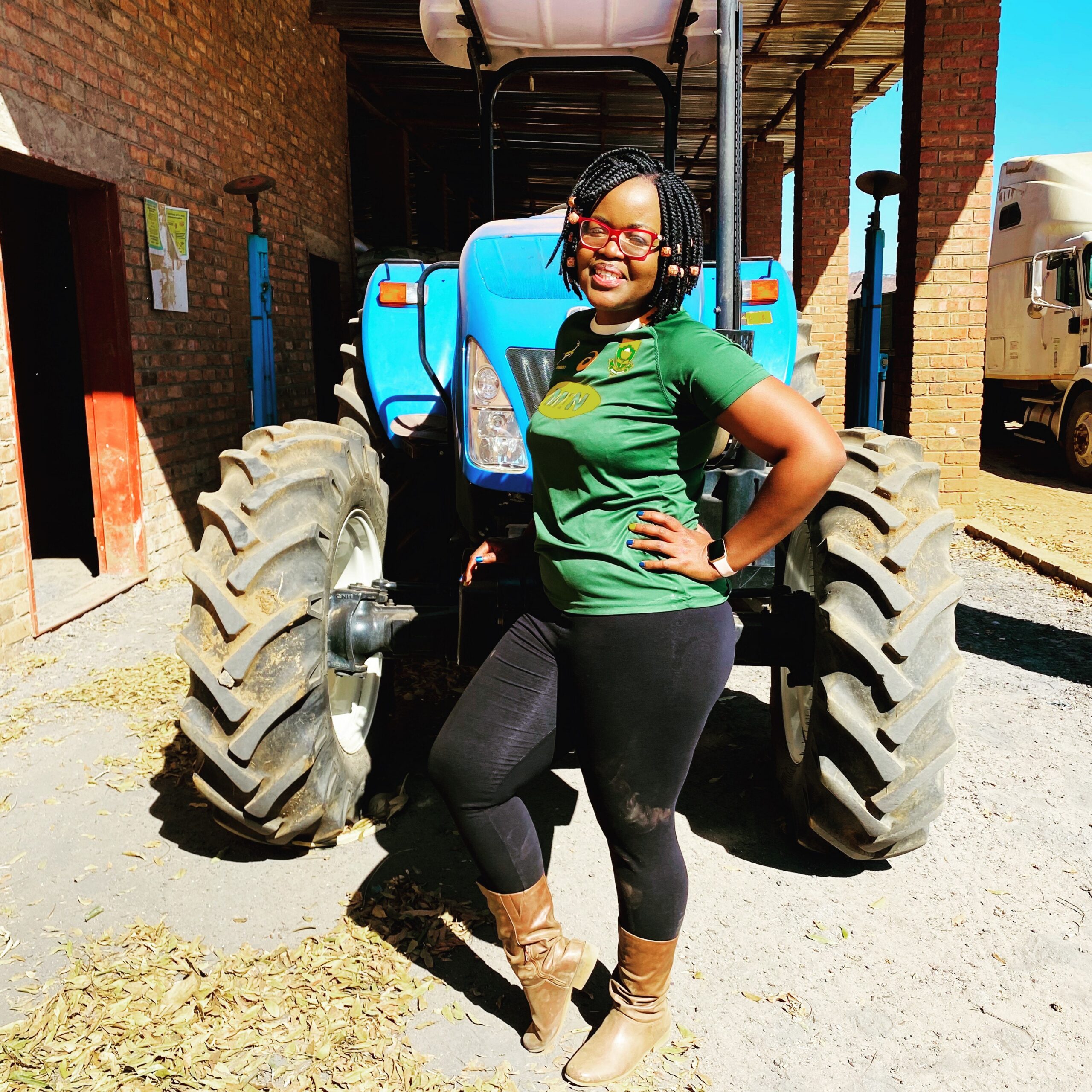
Ruramiso Mashumba has more than a decade of hands-on experience in production agriculture in Marondera, Zimbabwe. Her farm relies on center-pivot irrigation, because rainfall in Zimbabwe is concentrated in roughly three months of the year, remaining highly unpredictable.
She grows commercial maize, sold both as green mealies and dried grain for sadza (a traditional maize-based staple food), as well as potatoes. She also manages a timber plantation as an investment in addressing Zimbabwe’s deforestation challenge.
When Ruramiso inherited land from her father and began farming, she quickly recognized that technology and continuous learning would be essential to succeeding in a challenging environment.
Her search for new approaches took her beyond her own farm. Through the Global Farmer Network®, she connected with farmers across the Southern Hemisphere. Farmers in Argentina introduced her to conservation agriculture, prompting her to explore how its principles could work in Zimbabwe. She subsequently completed an MBA in Innovative Sustainable Food and Agriculture at the Royal Agricultural University in the UK, writing her thesis on the adoption of conservation agriculture in Zimbabwe.
Today, Ruramiso uses no-till farming. The change has transformed her operation. Instead of ripping (a reduced-tillage practice that loosens soil in narrow planting rows), discing, and plowing before planting, she can move directly to planting, saving time, labor, and fuel. Last season, she achieved a personal record – 11 tons of maize per hectare – while significantly reducing her cost of production.
Ruramiso also uses more traditional approaches to address some of her challenges. Effective weed management is critical in no-till systems, and Ruramiso uses strategic herbicide applications to maintain a healthy live mulch. Fall armyworm remains a persistent threat, requiring weekly spray rotations to stay ahead of resistance and infestation.
Ruramiso’s experience illustrates why farmers need access to a broad range of technologies and the freedom to choose the approaches suited to their conditions. A practice developed or adopted elsewhere can provide a starting point, but farmers ultimately need to adapt it to their own climate, crops, and production systems.
For Ruramiso, that ability to innovate is directly connected to food security:
“Food security is not an aspiration. It is an obligation,” Ruramiso concludes.
Emily Ford
Using technology to produce efficiently in a changing climate
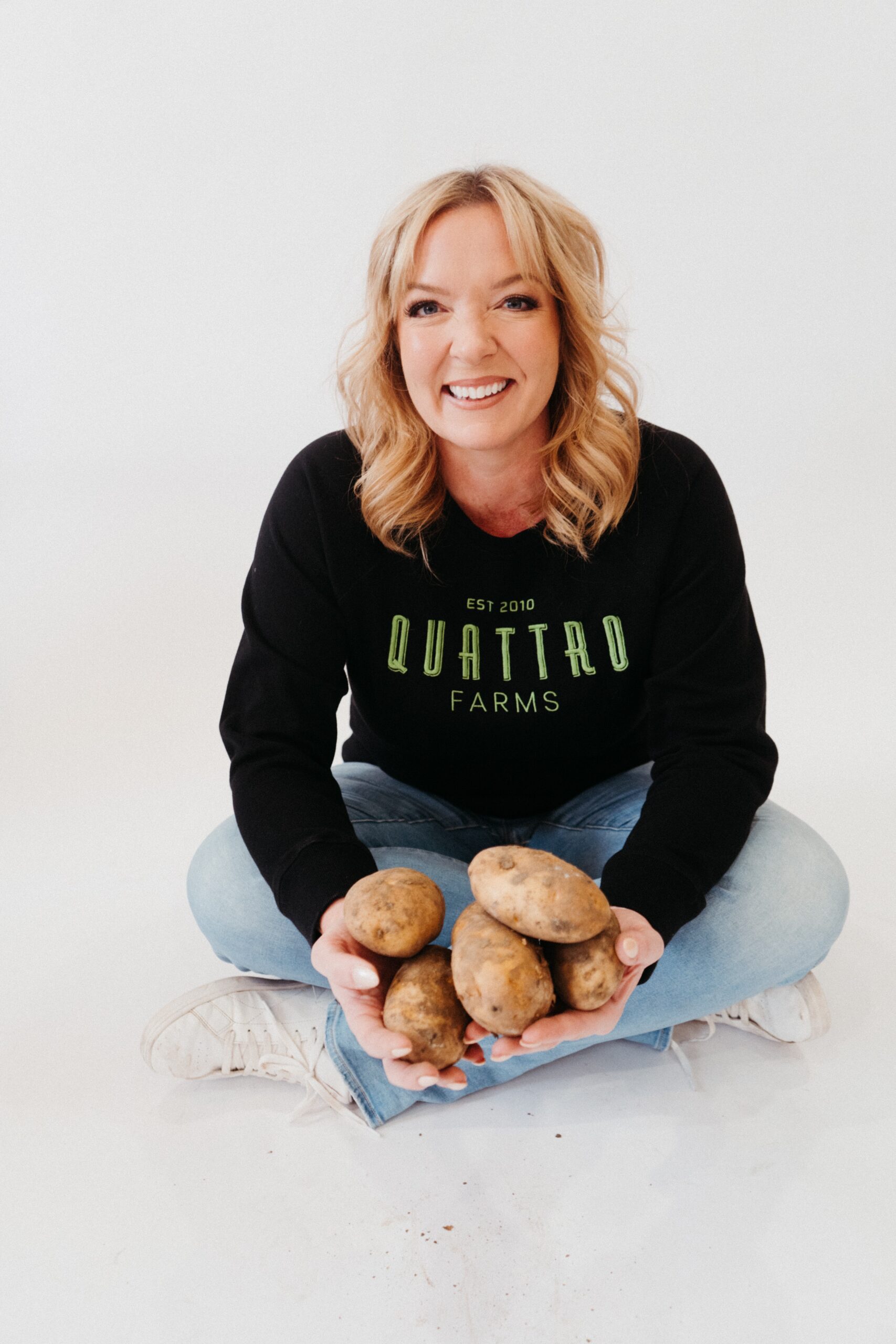
Emily Ford farms in southern Alberta, Canada, as part of a family farming operation spanning multiple generations. Her operation brings together five family farms and focuses primarily on potatoes for processing, alongside pulses, cereals, and essential oil crops. This diversification helps maintain healthy soils and support long-term production.
Like farmers everywhere, Emily is also navigating increasingly unpredictable weather and growing environmental pressures.
Her response is to combine multiple innovations rather than to rely on one solution.
Precision agriculture, GPS-guided equipment, improved irrigation management, crop rotation, and advances in plant breeding all contribute to the farm’s production system. Crop protection technologies help manage weeds, insects, and diseases that can affect crop quality and yields. Together, these tools allow the farm to make more targeted decisions, reduce unnecessary inputs, conserve water, and protect soil health.
For Emily, modern farming is a balance between using the latest tools and applying generations of experience. She believes many people would be surprised by the amount of science, planning, and care that goes into producing a single crop. Farm decisions are shaped by research and experience, but also by the practical realities of each season.
For her, sustainability is not a slogan. It is what allows the farm to continue producing into the future.
“We want to leave healthy soils, use water responsibly, protect biodiversity where we can, and continue improving every year,” Emily writes.
“At the same time, we also have a responsibility to help feed a growing population. Those goals aren't in conflict; they go hand in hand when farmers have access to innovation and science-based tools.”
For Emily, those goals can go hand in hand when farmers have access to science and innovation. Her message to policymakers and consumers is simple: spend time on farms and ask questions.
Understanding how food is produced is an important part of understanding why farmers need access to the tools they use.
Different challenges. Innovation that travels.
Dulce, Ruramiso, and Emily farm thousands of kilometers apart. Their climates are different. Their crops are different. Their challenges are different. So are the solutions they use. Yet, their stories reveal something important about agricultural innovation: it is not a one-size-fits-all package.
Innovation works when farmers can access a range of tools and knowledge and apply them to the realities of their own farms. In Brazil, that means using science and technology to help make tropical agriculture productive while protecting biodiversity. In Zimbabwe, it means using conservation agriculture and crop protection tools to adapt to unpredictable rainfall, improve yields and reduce production costs. In Canada, it means combining precision technologies, irrigation management, crop rotation and crop protection to use resources efficiently while maintaining quality. These approaches may look different, but they serve the same purpose: helping farmers produce more efficiently, adapt to change, and protect the resources agriculture depends on.
Innovation does not have to stay where it starts. Knowledge can cross borders. Farmers can learn from one another. Technologies can be adapted to new environments. Research can create solutions for challenges shared by farmers thousands of kilometers apart. That is why access matters. Agricultural innovation can help strengthen food security around the world, but only if farmers everywhere have the opportunity to use the tools that work for them.
This International Year of the Woman Farmer, the stories of Dulce, Ruramiso, and Emily offer three examples of what that can look like in practice. Three women. Three continents. Three very different farms. One shared lesson: when farmers have access to innovation, they have more options for building a food-secure future.